
Discovering Fort Bragg Beach Glass: Nature's Coastal Gems
Intro
Nestled along the rugged California coastline, Fort Bragg is not just a stopping point for surfers or a retreat for nature lovers. It’s a place where the ocean reveals its hidden treasures – beach glass. This little-known gem has a fascinating origin that weaves together history, nature, and culture. Each piece carries with it a story, a testament to the relentless waves that smoothen sharp edges, turning discarded remnants into beautiful finds.
Beach glass is created from man-made materials that have been shaped by the sea. Over the years, bottles, jars, and glass shards have been tossed about, eventually becoming polished treasures on the shoreline. Fort Bragg’s beaches, with their rich tapestry of colors and textures, offer a unique window to not only the past but also the evolving coastline.
Speaking of the coast, it plays host to both surfers and casual beachgoers. The rhythm of the waves is not just a surfboard's friend but also a gentle reminder of the ocean's power and mystery. Those diving into the pastime of collecting beach glass find themselves engaged in a treasure hunt, fueled by an appreciation for nature's artistry and an understanding of how human actions shape our environments.
In uncovering the allure of Fort Bragg beach glass, this article will explore its origins and types, while offering insight into effective techniques for finding these coastal gems. Let’s embark together on this journey to understand not just beach glass, but what it means to connect with nature amidst the waves.
Overview of Beach Glass
Understanding beach glass is essential for grasping its value within the coastal environment, particularly at Fort Bragg. Beach glass represents not merely remnants of human activities but also a beautiful reconciliation between nature and discarded material. This enchanting phenomenon holds an intriguing place in the hearts of beachcombers and nature lovers alike. With a history that intertwines both the struggles and triumphs of our shoreline, beach glass emerges as a powerful symbol of transformation.
One of the key benefits of diving into the world of beach glass is its ability to connect people to the coastal ecosystem. It's not just about the aesthetics; there are deeper ecological considerations at play. The glass pieces found along Fort Bragg’s shores bear witness to the region’s maritime history while also prompting conversations about sustainability and environmental stewardship.
Definition and Characteristics
Beach glass refers to shards of glass that have been weathered by the elements over time, often originating from human-made products. The act of tumbling these pieces together with sand and waves polishes their sharp edges, turning them into smooth, colorful gems. These treasures are not just visually appealing; they vary widely in color, shape, and size. Some might be frosted or translucent, while others exhibit vibrant hues, providing a feast for the eyes of collectors.
A few characteristics make beach glass truly noteworthy:
- Color: The shades can range from deep blues to soft pastels. Colors like amber and green are common, yet rarer ones such as turquoise or cobalt evoke excitement.
- Texture: The surface of each piece tells a story, with some exhibiting a worn, frosted finish while others showcase slick, shiny surfaces.
- Size & Shape: Varying sizes can spark a collector's creativity. From large, palm-sized shards to tiny, delicate fragments, each piece has its unique charm.
Formation Process
The process that transforms ordinary glass into beach glass is an intricate dance between nature and time. It starts when glass is discarded into ocean waters, often from shipwrecks, broken bottles, or discarded containers. Once submerged, these pieces can experience a multitude of conditions:
- Weathering: The relentless force of waves chips away sharp edges.
- Tumbling: Sand and water work together to round out the jagged bits, leading to smoother surfaces over time.
- Frosting: Continuous exposure to saltwater creates a unique texture, giving many pieces that sought-after frosted finish.
As the glass navigates its journey through the waves, it can travel varying distances, depending on the strength of currents. This mobility contributes to the diversity seen in beach glass on Fort Bragg's shores, making every find a reflection of its unique history and journey.
In summary, while the aesthetic value of beach glass is apparent, its significance runs deeper than that. Understanding its formation and characteristics lays the groundwork for appreciating the broader environmental conversations sparked by this coastal treasure.
Historical Context of Fort Bragg
Understanding the historical context of Fort Bragg provides a crucial backdrop for appreciating the unique beach glass treasures found along its shoreline. This area, renowned for its stunning coastal views, is not just a haven for nature lovers and surfers but also tells a rich story of human interaction with its environment. The past settlements and industrial activities have collectively shaped the beach glass phenomenon that we see today.
Early Settlements and Development
The journey of Fort Bragg began in the mid-19th century, when settlers poured into the area, attracted by its natural beauty and marine resources. Initial developments established a small, thriving community, primarily rooted in fishing and timber. As families settled and commerce flourished, the need for resources led to further industrial advancements.
Fort Bragg became instrumental during the logging boom, with various lumber mills established along the coast, contributing to both local and regional economies. These mills, although a source of income, generated debris which ended up along the shoreline, ultimately becoming part of the beach glass story.
In this context, beach glass serves as a reminder of the human footprint— it’s not merely a product of natural erosion but also a remnant of a bustling past, marking the evolution of Fort Bragg from a quiet landscape to a lively hub. For visitors and locals alike, these fragments of glass represent a tangible connection to the enduring history of the area. Considered more than just decorative items, they embody the winds of change that have shaped not only the shore but also the very identity of Fort Bragg.
Industrial Impact on the Shoreline
The industrial era left a significant mark on the Fort Bragg shoreline, most notably through the remnants of the once-thriving timber industry. Factories and mills, while generating employment, also contributed to pollution, resulting in glass, ceramics, and other debris washing up on the beaches. Over time, natural elements such as waves and sand have gradually smoothed these materials, transforming them into pieces of beach glass, thus making a striking transformation from waste to treasure.
Today, these colorful shards reveal their industrial origins—some might have once adorned bottles or jars, while others could hint at historical containers, each with a story locked inside. The resilience of nature in reshaping these materials into beautiful artifacts is a testament to the ongoing interplay between human activity and the environment.
As beachcombers collect these exquisite pieces, they are not just gathering remnants; they’re partaking in a narrative that spans decades. It’s a culture built on respect for the land and its stories, acknowledging the past while observing the delicate balance of nature. Understanding this industrial impact fosters an appreciation of the beach glass, as it resonates with the essence of history amidst the waves.
Types of Fort Bragg Beach Glass
Understanding the types of beach glass found in Fort Bragg is essential for collectors and nature lovers alike. Each piece tells a story, formed from materials that have been shaped by the relentless rhythms of the ocean, weather, and time. This examination not only enhances appreciation for these delicate treasures but also provides insights into the environmental and historical context of the area. Choosing to collect beach glass can be a rewarding experience, not only for personal collection but as a means of engaging with the unique character of coastal life.
Color Variations
Beach glass comes in a stunning array of colors, each with its own origin. Typical hues include vibrant greens, deep ambers, and translucent whites, each reflecting different sources of glass debris. For example:
- Greens: Often from beer bottles or wine containers, these are among the most common.
- Blues: Less frequent, these shades typically stem from older glass packaging, such as soda bottles.
- Amber: This color suggests a history tied to both soft drink and liquor bottles.
- Rare Finds: Colors like purple or clear glass can often signify the item's age, adding character and intrigue to collections.
Beach-combers often find that sunlight highlights these colors in mesmerizing ways, making a walk along the shore an expedition of discovery. The variety in color not only adds beauty, but it can also guide collectors to understand the past uses of these pieces.
Textural Differences
The texture of beach glass is another defining characteristic. Each piece is shaped not just by its chemical composition but also by its journey across the sand and waves. Collectors may notice these variations:
- Frosted or Etched: Most common, this texture occurs when pieces have been worn down by ocean action. The result is a matte finish, giving beach glass its sought-after allure.
- Sharp and Jagged Edges: Some pieces retain their original shape and sharpness, indicating they are relatively new additions to the shoreline. They can be found alongside the older, smoother pieces, creating a contrast that speaks to the story of the beach’s debris.
- Bubbles and Imperfections: These marks can hint at the manufacturing techniques of the original glass item or signify a unique history.
Each texture adds its layer to a piece’s narrative, making it crucial for collectors to appreciate what they hold in their hands.
Source Identification
Identifying the source of beach glass not only adds to its story but also engages the collector in a deeper understanding of local history. Many beachcombers become adept at recognizing clues, such as:
- Bottles and Jars: Common glass items that have been discarded on beaches often lead to identifiable colors and styles.
- Ceramics and Porcelain: Pieces of historic dishes can also be found nestled amongst the sands, sometimes confused with traditional glass.
- Artistic Interpretations: Many local artists incorporate beach glass into their work, creating items that may blend artistic flair with the rustic charm of nature’s debris.
By learning to recognize these sources, beach glass enthusiasts can appreciate not just the beauty of each piece, but also the cultural remnants of past coastal life.
"Beach glass is not just refuse; it's a collection of stories washed ashore, a bridge connecting us to the past and the forces of nature."
As you visit Fort Bragg, remembering these types and characteristics will enhance your experience. Whether you are ambling along the shore or spending time carefully sorting through your findings, each piece of glass invites reflection and connection to both the land and sea.
Techniques for Collecting Beach Glass
Collecting beach glass can be a rewarding experience, connecting enthusiasts not just to the elements of nature but also to the stories etched within each piece of glass. Understanding the techniques for collecting this unique treasure enhances both the satisfaction and effectiveness of the hunt. Knowing when and where to search, as well as the tools to use, can drastically improve your chances of finding those coveted gems washed ashore.
Best Practices for Beachcombing
When the tide recedes and the wave action settles, that’s the golden hour for a beachcomber. But there’s more to it than just wandering along the shore. Consider these best practices:
- Timing is Key: Visit the beach early in the morning or just after high tide for the best chance to find fresh glass deposits.
- Walk Slow and Steady: Take your time to scan the ground. Beach glass hides well among pebbles and sand; rushing through might mean losing sight of a gem.
- Look at Different Areas: Don’t limit yourself to just one part of the beach. Check rocky areas, tide pools, and even near driftwood, as glass can get caught in various locations.
- Be Patient: Sometimes it takes a good bit of searching before finding worthwhile pieces. Enjoy the process; the best finds often come when you least expect them.
Tools for the Collector
While the beach provides a fantastic backdrop for collecting beach glass, having the right tools can elevate your collection to the next level:
- A Sturdy Bag or Bucket: Choose something that can handle the weight of your finds. A mesh bag can help separate sand while keeping your treasures in sight.
- Soft Brush: Cleaning your finds can enhance their visual appeal. Soft brushes can help delicately remove sand and debris without scratching the surface.
- Protective Gloves: If you’re planning a long day of collection or digging into areas with sharp rocks, a good pair of gloves is essential to protect your hands.
- Field Notebook: Jot down locations, dates, and observations about your collection. It’s a great way to remember spots and track your findings over time.
"The beach glass's journey is a reminder of the intersection between nature's beauty and human impact. Each piece, with its unique history, tells a tale worth exploring."
In the end, being equipped for beachcombing amplifies not just the search experience but also the stories each piece of glass encapsulates. By respecting the environment and practicing patience, collectors can forge a lasting connection with nature as they uncover these coastal jewels.
Environmental Significance of Beach Glass
Beach glass, often seen as mere collectibles by some, plays a much more vital role along the coastlines of Fort Bragg. It’s not just about those dazzling pieces of smooth, colorful glass; it’s about understanding their environmental importance and what they signify about the health of coastal ecosystems.
Impact on Coastal Ecosystems
The presence of beach glass is, in many ways, a reflection of the human footprint on our coastal ecosystems. These fragments, often the result of human activity, tell a story of history and change. When glass breaks down and becomes smooth over time, it can actually serve as a habitat for tiny marine organisms.
Here are a few crucial impacts that beach glass has on coastal environments:


- Microhabitats: Smooth pieces provide homes for algae and small marine life, fostering biodiversity along the shoreline.
- Surface Aggregation: As pieces accumulate, they can form layers on the sand, which might influence the movement of sediment and affect local flora and fauna.
- Indicator of Ecological Health: An abundance of beach glass often signifies higher levels of pollution, prompting communities to reevaluate waste management practices and their habits regarding littering.
Thus, while we may admire beach glass for its aesthetic appeal, its existence also serves as a reminder of the ongoing issues facing our oceans. By being mindful of the amount of waste produced and intentionally considering its disposal, the community can contribute towards restoring the natural balance of the ecosystem.
Sustainability Considerations
Sustainability regarding beach glass embraces not just the collection angle but also a broader sense of eco-responsibility. When exploring beaches, collectors and enthusiasts alike need to consider the long-term effects of their actions on the shoreline’s ecosystem. Collectors play an important role in environmental stewardship.
- Responsible Gathering: It's essential to follow local guidelines. In some areas, there are restrictions on collecting due to protection efforts for endangered species or delicate habitats. Always ask before you take.
- Promoting Awareness: By sharing knowledge and experiences, collectors can foster a greater understanding of how beach glass collecting intertwines with environmental conservation. This connection can impact policymakers and encourage them to implement more effective waste management practices.
- Community Initiatives: Engaging locals through cleanup events can not only diminish the amount of litter reaching the beaches but also enhance the allure of beach glass. This can inspire more people to appreciate coastal ecosystems and advocate for clean shores.
Collecting beach glass should be an experience rooted in respect for nature, where appreciation morphs into action for sustainability.
The significance of beach glass extends beyond how it looks in a jar; it embodies an ongoing dialogue about environmental responsibility, sustainability, and the intricate relationship between humans and their natural surroundings.
Cultural Importance of Beach Glass
The significance of beach glass extends far beyond the simple act of collecting. In coastal communities like Fort Bragg, it becomes a symbol of resilience and resourcefulness. Beach glass, often seen as remnants of human existence, transform into something more profound. They embody stories and history, carrying the whispers of the past within their smooth, colorful surfaces.
Artisans around the world have recognized the aesthetic charm of beach glass, incorporating it into jewelry, mosaics, and custom artwork. These creations not only celebrate the beauty of these pieces but also serve to raise awareness about the importance of coastal conservation and pollution reduction. Artists are constantly looking for unique materials, and the allure of beach glass fits the bill perfectly.
Artistic Expressions
Beach glass inspires creativity that brings communities together. Local artists may dive into the art of creating sculptures or functional pieces like bowls and vases from the glass they find. Take, for instance, the work of a Fort Bragg resident who collects these treasures along the shoreline. With an eye for color and texture, his vibrant necklaces often feature shards of cobalt blue and seafoam green. These pieces are not just visually appealing; they convey messages of environmental sustenance and storytelling.
Many artists now host workshops, teaching others how to work with beach glass. These gatherings foster a sense of community and craftsmanship. Being part of such events encourages participants to appreciate the natural environment and leaves a lasting impression on those who partake. The beauty of the pieces often leads folks from afar to Fort Bragg, eager to embrace this aspect of coastal culture and take home a piece of the sea in the form of handcrafted jewelry.
"The treasures we find on the beach often carry the voice of the ocean, and turning them into art is akin to giving them a new lease on life."
– Local Fort Bragg Artist
Community Involvement and Events
In Fort Bragg, the cultural significance of beach glass often spills over into community initiatives. Various events, such as beach clean-ups and craft fairs, are organized by local groups to promote awareness surrounding preservation efforts. These gatherings not only highlight the beauty of the glass but also stress the importance of keeping the ocean and beaches clean for future generations.
Such events can transform a simple afternoon into a movement, where participants not only enjoy the outdoors but also feel a sense of responsibility towards marine conservation. The communal aspect encourages neighbors to bond over shared interests, leading to friendships built on a foundation of sustainability.
From the annual Beach Glass Festival that celebrates the craft of beach glass artistry to small gatherings where participants trade their finds and techniques, these events solidify the bond between cultural expression and communal responsibility. Thus, beach glass functions not just as an embellishment, but as a catalyst for creativity, environmental awareness, and community unity.
Beach Glass in Surf Culture
The intersection of beach glass and surf culture is not just a niche interest; it symbolizes a rich tapestry of creativity and environmental appreciation among those who love the ocean. With surfboards being a fundamental element of coastal lifestyle, the incorporation of beach glass into surfing culture embodies a deeper respect for nature's offerings.
Connection to Surfboarding
Beach glass finds its way into surf culture not merely as decorative elements but also in functional ways. Many surfers and board shapers have taken to using beach glass in the creation of their surfboards. It’s not just about looks; this glass can add unique aesthetics and individuality to a board, merging art with athleticism. The smooth, frosted appearance of sea-tumbled glass speaks to the ocean’s transformative processes, and that resonates with surfers who often seek a connection to the elements.
Surfers often find peace and inspiration while combing coastal stretches, scanning the sand between swells for those faint glimmers of color amid the grains. This activity transforms a common pastime into an almost meditative process, allowing for reflection on what it means to live a life intimately tied to the sea.
Moreover, beach glass can tell stories. Each piece holds a history, which can be likened to the journeys surfers undertake. Thus, finding a piece of beach glass becomes more than just hunting for a pretty object; it resonates deeply with the surfer's journey of self-discovery and respect for the environment.
Inspiration for Surfboard Design
Many surfboard manufacturers, including well-known brands like Lost Enterprises and Channel Islands, have begun experimenting with incorporating beach glass into their designs. These boards often feature inlays made from sorted beach glass, creating not only unique surfboards but also sparking discussions about sustainability and eco-conscious production practices. This trend highlights the shift within the surf community towards a more environmentally-friendly mindset.
Inspiration can also extend beyond the direct incorporation into boards. The colors of beach glass often influence design trends in surf wear and accessories. The shades of green, blue, and amber evoke a sense of tranquility and connection to the natural world, encouraging surfers to choose gear that reflects their love for the ocean.
"Surfing is more than just a sport; it's an expression of our relationship with nature. Beach glass connects us to that very essence."
The art of designing with beach glass promotes a creative symbiosis between surfing and nature. It encourages surfers to not only ride the waves but also to be stewards of the coast, embracing sustainability.
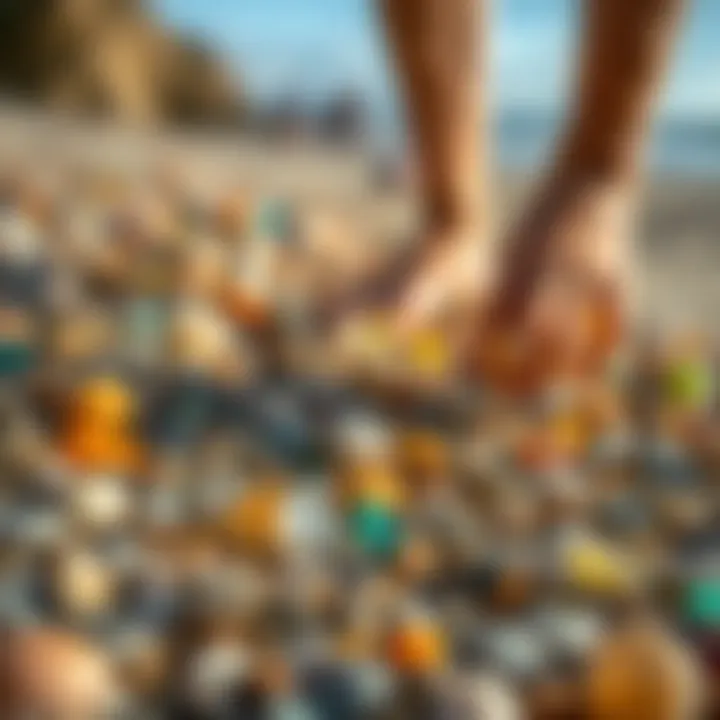
Through these artistic endeavors, beach glass serves as a reminder of the fragility and beauty of coastal ecosystems, reinforcing the significance that both surfers and the larger community place on preserving these precious environments.
In summary, beach glass is woven into the fabric of surf culture, inspiring everything from board designs to environmental consciousness, ultimately illustrating the intimate relationship between surfers and the ocean.
Conservation Efforts for Fort Bragg Beaches
Conservation efforts in Fort Bragg play a crucial role in ensuring the preservation of its picturesque shoreline and the treasures, like beach glass, that it offers. The pristine beaches are not just a haven for collectors; they serve as vital ecosystems supporting diverse marine life. Protecting these areas is not merely an act of environmental stewardship, but it is also a way to honor the community and the culture that thrives around them.
Local Initiatives
Several initiatives have sprouted from the local community, all aiming to safeguard the beaches of Fort Bragg. Nonprofits, local government, and passionate citizens come together for beach clean-ups, habitat restoration, and education programs. One popular initiative is the annual Fort Bragg Beach Clean-Up Day, where volunteers gather to collect debris washed ashore.
- Clean-Up Drives: These events highlight the community's commitment, showing that locals care deeply about the environment. A clean beach promotes biodiversity and enhances the chance of finding quality beach glass.
- Educational Programs: Workshops and talks on marine conservation educate both visitors and locals about the importance of maintaining clean beaches. Knowledge on how ocean pollution affects marine ecosystems can foster greater appreciation for the beach glass phenomenon.
- Habitat Restoration Projects: Activities like replanting native vegetation along the coastline help prevent erosion and protect the delicate ecosystems. These actions not only sustain wildlife but also improve the region's natural beauty.
"We learn from the waves and sands, and it’s up to us to protect them for the next generation."
Visitor Engagement in Conservation
Engaging visitors in conservation efforts is equally important for maintaining the allure of Fort Bragg's beaches. When tourists become part of the solution, it fosters a sense of responsibility.
- Guided Tours: Many local organizations offer guided beach walks that double as educational experiences. Participants learn about the local ecology and the impact of waste on marine life, which can inspire them to contribute to conservation efforts during their visit.
- Volunteering Opportunities: Many visitors may be unaware of how they can actively participate in conservation. Initiatives that invite tourists to take part in tree plantings or beach clean-ups make it easy for them to give back to the community. It creates lasting memories for travelers while benefiting the environment.
- Information Kiosks: Strategically placed kiosks along the beach can provide crucial information on local conservation efforts. Sharing facts about the importance of preserving beach glass and the coastline can motivate visitors to be more conscientious during their stay.
Through these combined efforts, both locals and visitors create a positive ripple effect. Engaging the community and raising awareness about the importance of maintaining the beauty and integrity of Fort Bragg's beaches can ensure that future generations can enjoy the treasures that the shoreline has to offer.
The Future of Beach Glass Collecting
As we look ahead to the future of beach glass collecting, it’s essential to appreciate its evolving landscape. Surfing enthusiasts, collectors, and environmental advocates all play a significant role in shaping how these colorful remnants of the past are valued and preserved. The journey of beach glass collecting is not just about the individual pieces recovered from the shore, but also encompasses broader trends, ecological considerations, and the increasingly critical need for sustainable practices.
Trends in Collecting
Among the more notable trends is the rise of eco-conscious collecting. Conducting beach clean-ups while searching for glass is becoming more common. Collectors are less inclined to simply gather glass for personal collections; they now often think about the impact of their activities on the coastal environment. Here are several trends worth noting:
- Eco-friendly collectng events: More organizations are hosting clean-up days that double as collecting events. Participants get involved in cleaning the environment while gathering treasures from the shoreline.
- Community sharing: Online groups, particularly on platforms like Facebook and Reddit, are creating spaces for collectors to share their finds and trading pieces. This creates a supportive community and encourages newcomers to join the hobby.
- Rising interest in upcycling: Many collectors are being drawn to projects that repurpose beach glass into art or practical items, like jewelry or home decor. This trend not only extends the life of these pieces but also promotes sustainability.
- Technological integration: Some collectors are using apps to track their finds, share locations, or learn about the history and source of the glass pieces they discover. Such tech-savvy approaches are appealing to younger audiences seeking unique adventures in nature.
Legislation Impacting Collectors
As the popularity of beach glass collecting grows, legislation surrounding coastal conservation becomes increasingly relevant. Various laws and regulations can affect how collectors access and remove beach glass from specific locations. For instance, in many coastal areas, removing any material from the beach can lead to legal consequences meant to preserve the natural environment. Some important legislative elements to consider include:
- Local restrictions: Some areas may have specific laws about collecting beach glass, especially in protected zones. It’s crucial for collectors to be aware of their local rules.
- Protected habitats: Various regions are establishing protected marine sanctuaries to maintain fragile ecosystems. Collectors need to respect these areas and understand that their activities may impact local wildlife.
- Sustainable practices laws: Some local entities are introducing policies aimed at promoting sustainable tourism practices. These may include guidelines for collectors to follow to minimize their ecological footprint while enjoying their passion for beach glass.
"Collecting beach glass isn’t just a hobby; it’s about being a steward of the coastline and ensuring its beauty continues for future generations to enjoy."
Ultimately, the future of beach glass collecting is a dynamic interplay of trends and regulations that ensure this colorful hobby remains both enjoyable and responsible. With a mindset focused on sustainability, the next generation of collectors can contribute positively to the health of coastal ecosystems while reveling in the joy of uncovering hidden gems along the shore.
Finale: The Lasting Allure of Fort Bragg Beach Glass
The journey through Fort Bragg's beaches unravels not merely a collection of colored glass, but also a tapestry woven with history, nature, and community involvement that resonates with both locals and visitors. As one concludes this exploration, it's clear that Fort Bragg beach glass is more than a mere curiosity; it emerges as a testament to the resilience of nature and an emblem of the coastal lifestyle. The allure of these colorful fragments lies not only in their aesthetic appeal but also in the stories they carry.
Summary of Insights
Through the lens of this article, we've examined various facets of beach glass in Fort Bragg:
- Origin Stories: Understanding how human activity transformed waste into treasures.
- Types and Characteristics: Identifying the color variations and textural differences that make each piece unique.
- Cultural Significance: Recognizing the role that beach glass plays in artistic expression and community gatherings.
These insights emphasize the intricate relationship between people and their environment, spotlighting how beach glass collecting serves as a form of cultural heritage and personal expression. For enthusiasts, these findings encourage a deeper appreciation for the natural and historical context of each piece gathered from the shore.
Encouraging Responsible Collecting
As stewards of the shoreline, it’s essential to approach beach glass collecting with a mindset rooted in sustainability. Here are some guiding principles for collectors:
- Leave No Trace: Avoid disturbing the natural habitat while searching for glass. Collecting only from designated areas ensures minimal environmental impact.
- Educate Yourself: Know the local regulations regarding glass collecting. Familiarize with any restrictions in place to protect the coastal ecosystem at Fort Bragg.
- Community Engagement: Participate in beach cleanups and local initiatives that promote shoreline health. Partnering with organizations can transform a solitary hobby into a community effort.
"Preserving the beauty of our beaches means the treasures they offer can be shared for generations to come."
By embracing these guidelines, collectors not only safeguard the beauty of Fort Bragg's coastline but also enrich their own experience of connection to the land. The allure of Fort Bragg beach glass is intimately tied to responsible practices that ensure future generations can enjoy these unique remnants of the past.